Viking Blog
Viking Clothing Modern Day Influence in Pop Culture and Alternative Fashion
Nov
The image of the Viking warrior has never been more alive than it is today. While historical reenactors work to preserve accuracy, mainstream culture has taken Viking aesthetics and reshaped them into bold expressions of identity. From Hollywood blockbusters to tattoo culture, from metal fashion to high-end streetwear, Viking clothing modern day has become a powerful visual language that blends history, mythology, and rebellion.
Interestingly, modern Viking-inspired fashion is not limited to horned helmets or theatrical costumes. Instead, it emphasizes layered garments, earthy tones, textured materials, and meaningful symbols drawn from Norse culture. This fusion of old and new has created a unique style embraced by alternative communities around the world.
The Rise of Viking Clothing Modern Day in Pop Culture
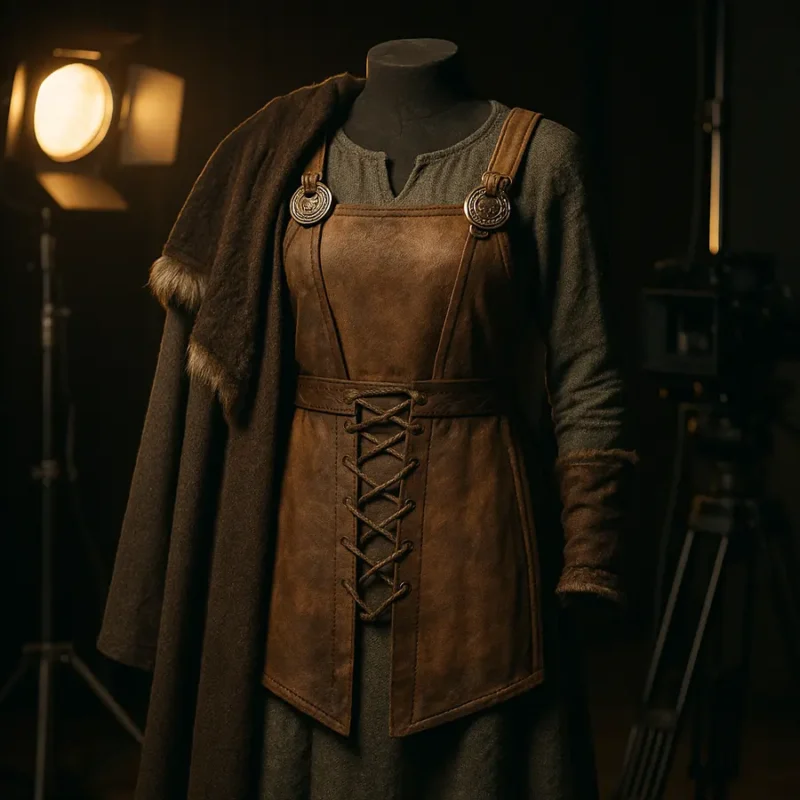
Pop culture has played a massive role in shaping how people imagine Vikings today. TV series like Vikings, The Last Kingdom, and The Northman have sparked a global fascination with Norse aesthetics. These productions emphasized authenticity: hand-woven fabrics, rough-stitched seams, natural dyes, and layered outfits that reflected the Scandinavian climate.
However, what truly pushed Viking clothing modern day into the spotlight was the emotional storytelling behind it. Wardrobe designers highlighted individuality—Lagertha’s battle-ready armor, Bjorn’s fur-lined cloaks, and Freydis’ symbolic accessories—all became cultural icons.
This influence extends far beyond TV. Cosplayers, musicians, and digital artists have adopted Viking looks as part of their visual identity. Even everyday fashion, such as braided hairstyles, minimalist runic pendants, and wool-blend cloaks, carries subtle traces of Norse inspiration.
The Modern Interpretation in Alternative Fashion
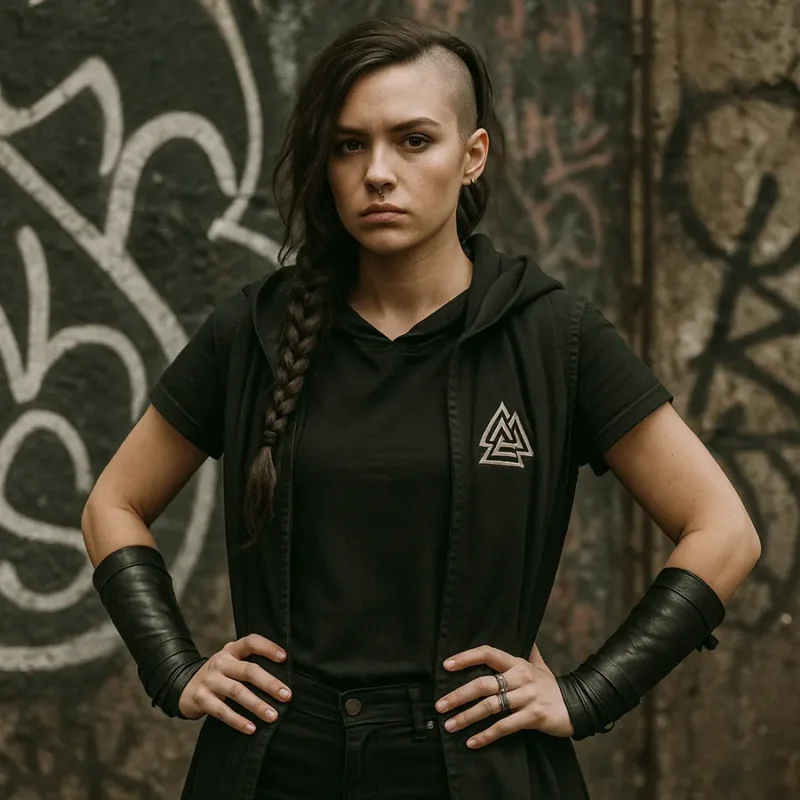
The alternative fashion scene has embraced Viking aesthetics more than any other community. Gothic, metal, punk, and tattoo cultures have transformed traditional Viking garments into expressive modern outfits.
Key elements that frequently appear include:
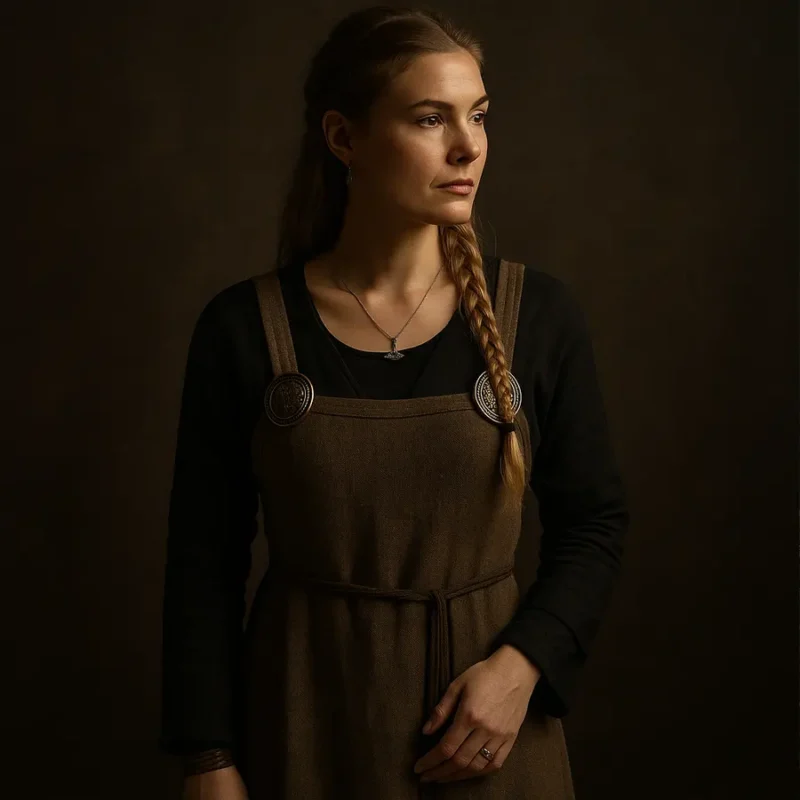
- Smokkr-inspired layering: linen or wool dresses worn over fitted tops
- Runic symbols: embroidered patches, jewelry, or minimalist graphic prints
- Leatherwork: modern bracers, belts, harnesses resembling Viking utility gear
- Earth-tone palettes: brown, charcoal, burgundy, forest green
- Braided hairstyles: often mixed with undercuts or shaved patterns
- Fur accents: vegan-fur trims on jackets or cloaks, inspired by winter gear
For alternative communities, Viking fashion is more than aesthetics. It represents strength, independence, and a connection to mythic roots. It offers a visual rebellion against mass-produced trends and reconnects wearers with handcrafted, meaningful clothing.
Symbolism and Meaning Behind Viking Clothing Modern Day Trends
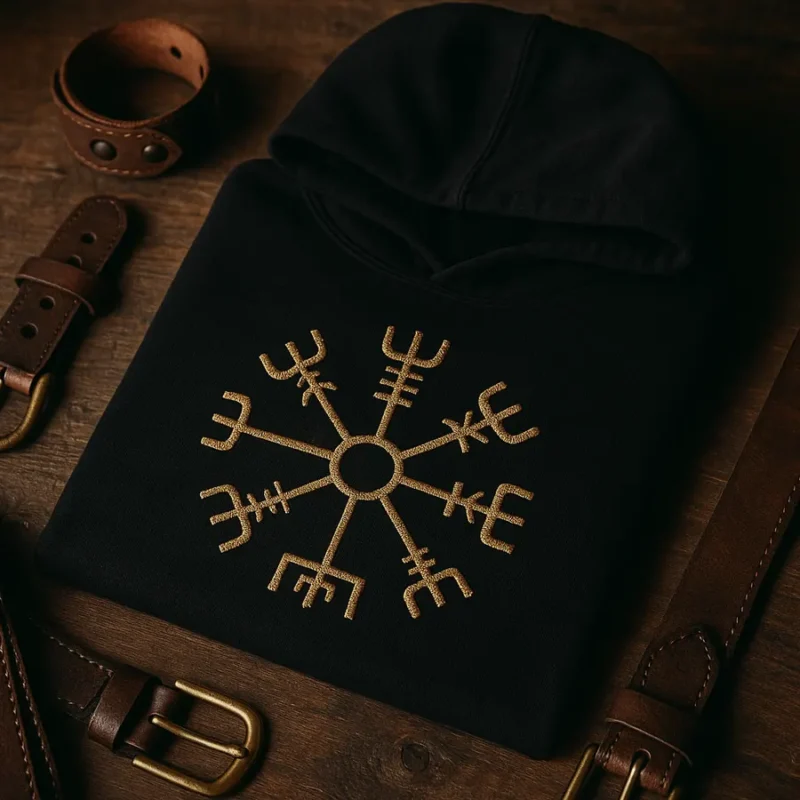
Runes and Norse symbols hold a special place in modern Viking fashion. They add depth and storytelling to clothing without overwhelming the design.
Popular symbols include:
- Vegvísir – a compass for guidance
- Valknut – associated with Odin and warrior spirit
- Huginn & Muninn – ravens symbolizing thought and memory
- Jörmungandr – the World Serpent representing cycles and resilience
These symbols appear on hoodies, bomber jackets, caps, and jewelry. Rather than being flashy, they are often subtly integrated—embroidered in metallic thread, carved into leather, or printed in minimalist line art.
This combination of simplicity and meaning is a defining characteristic of Viking clothing modern day trends.
The Fusion of Traditional Materials with Modern Textures
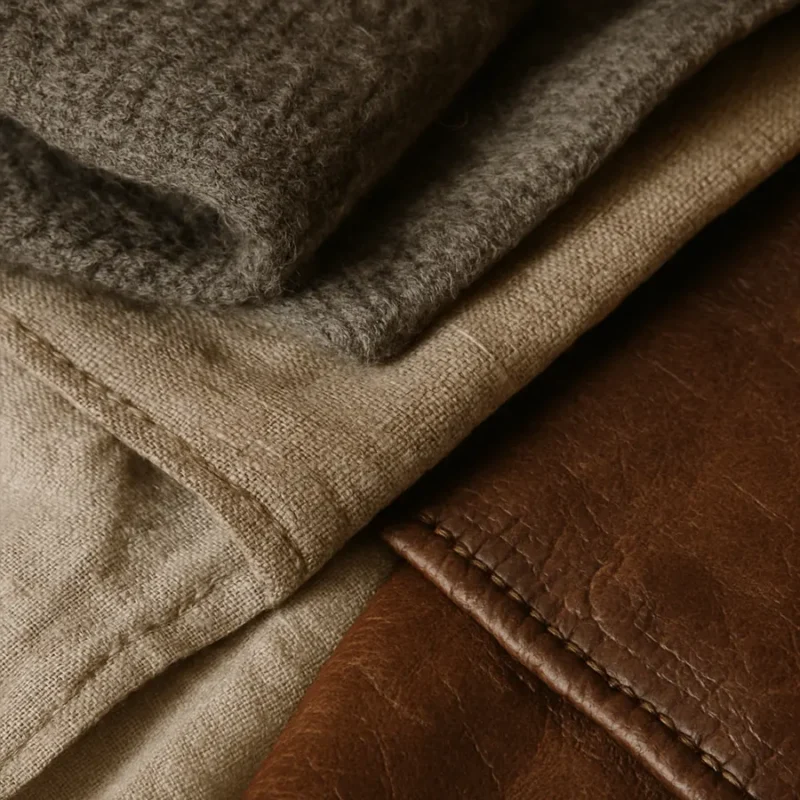
Historically, Viking clothing relied on materials like wool, linen, and leather. Today, designers reinterpret these textures using modern techniques:
- synthetic blends for comfort
- machine-embroidered patterns
- lightweight faux fur
- vegan leather bracers and belts
- reinforced stitching for durability
This fusion creates garments that feel ancient yet wearable in daily life. Modern Vikings no longer need to wear heavy wool cloaks; instead, they enjoy breathable fabrics that mimic the aesthetic while being weather-friendly and streetwear-ready.
Viking Fashion in Music, Tattoos, and Festival Culture
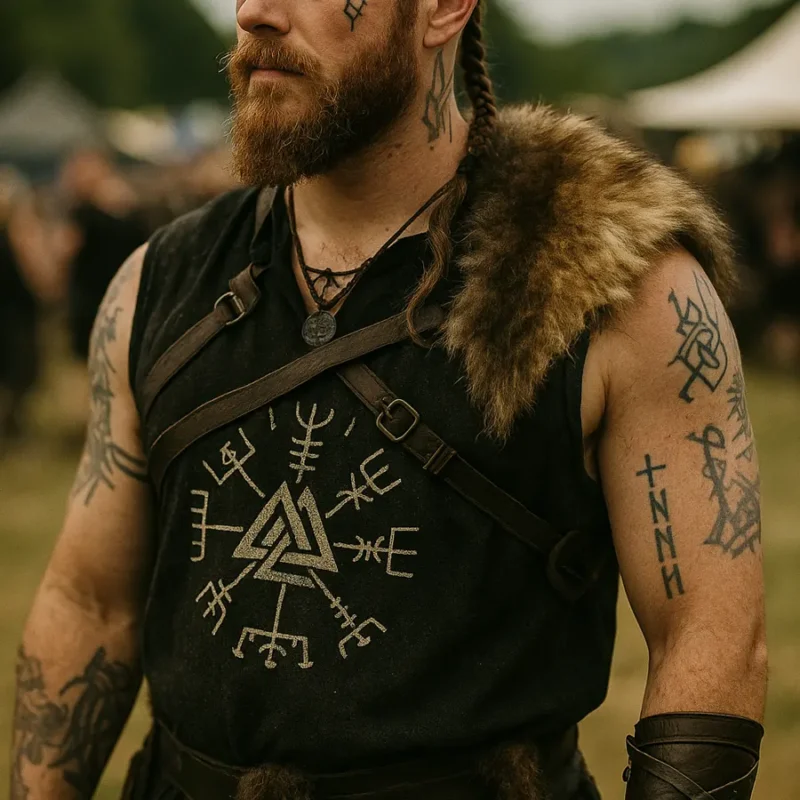
Metal bands and festival communities are among the biggest contributors to Viking fashion’s popularity. European and American festivals like Midgardsblot, Wacken Open Air, and Fire in the Mountains often showcase a strong presence of Norse-inspired outfits.
Tattoos also play a key role. Runes, knotwork, and mythological motifs appear not only on skin but also integrated into clothing designs, blending body art with apparel aesthetics.
Conclusion
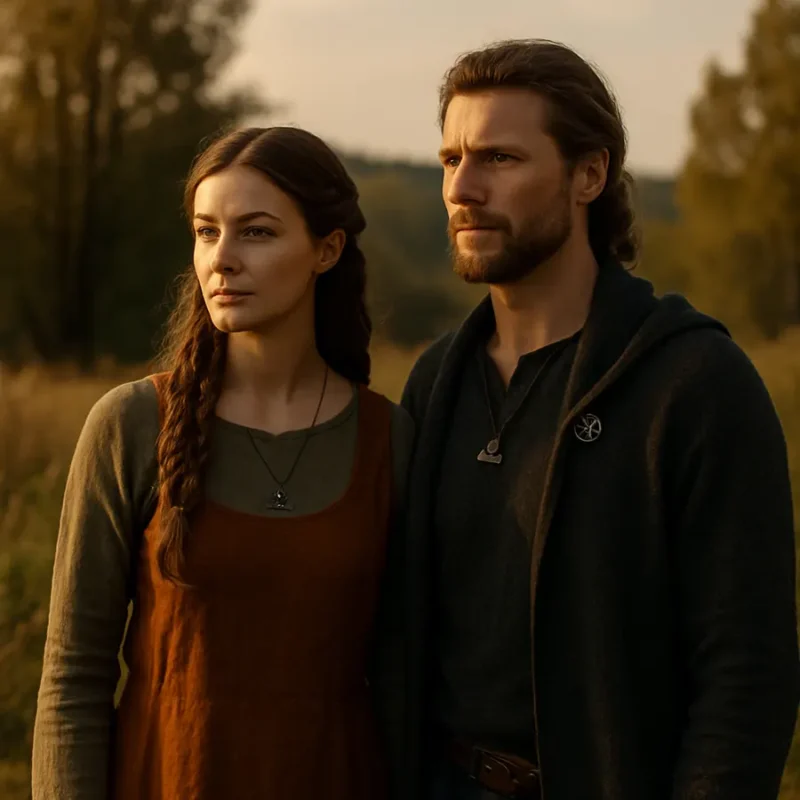
Viking clothing has evolved from historical necessity to modern expression. In today’s culture, it blends authenticity with artistic reinterpretation—rooted in mythology yet shaped by creativity. Whether it appears in blockbuster films, alternative fashion, or symbolic streetwear, Viking clothing modern day influence continues to grow.
Its appeal lies in its honesty: natural materials, meaningful symbols, and a sense of identity that resonates deeply with people seeking something beyond fast fashion. Viking style today is not just a trend—it is a cultural statement connecting the modern world with ancient Northern spirit.
